Websites & Small Business
A Free Website or a ₹5,000 Landing Page:
What Are You Really Paying For?
AI, templates, and what you are really paying for.
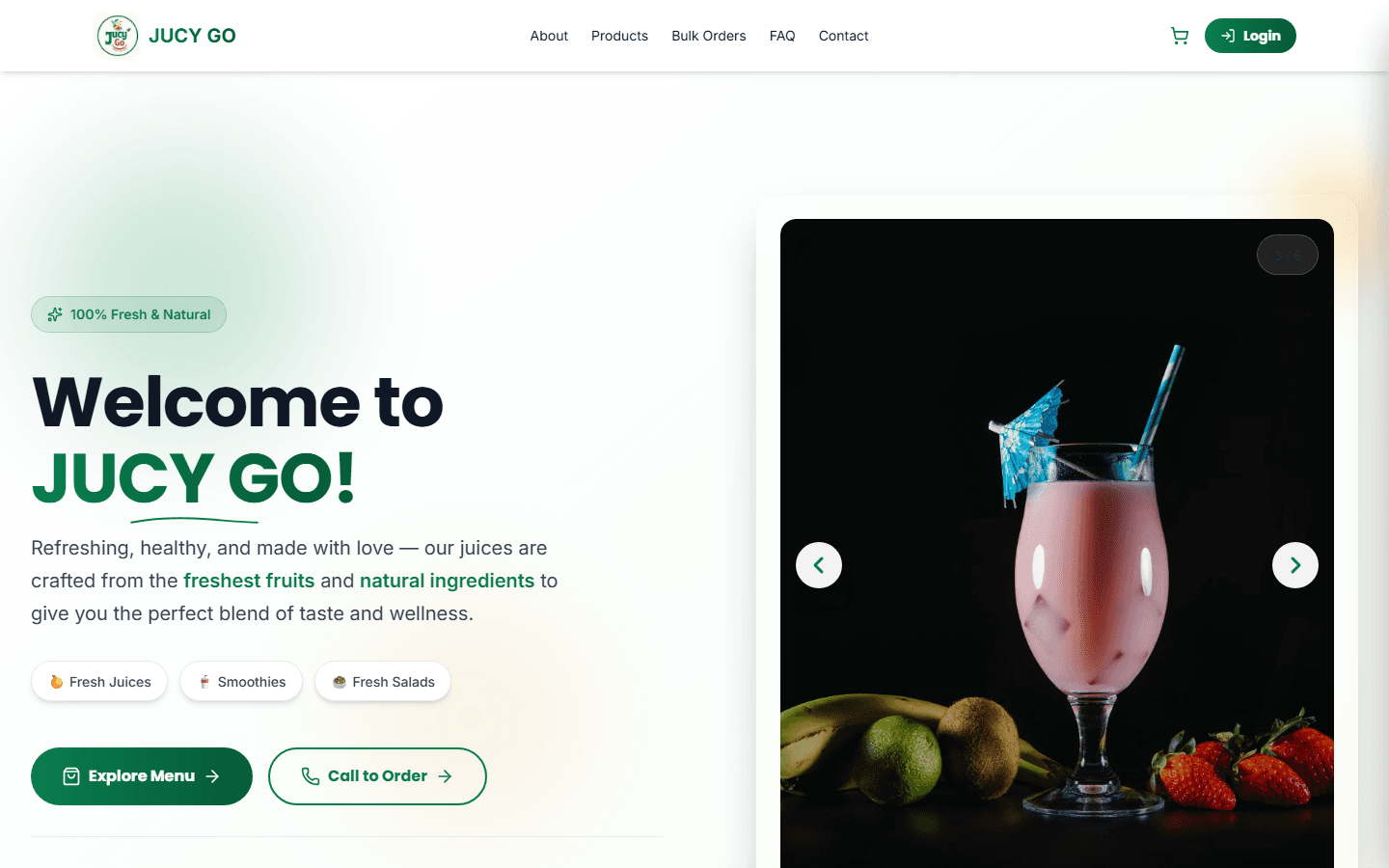
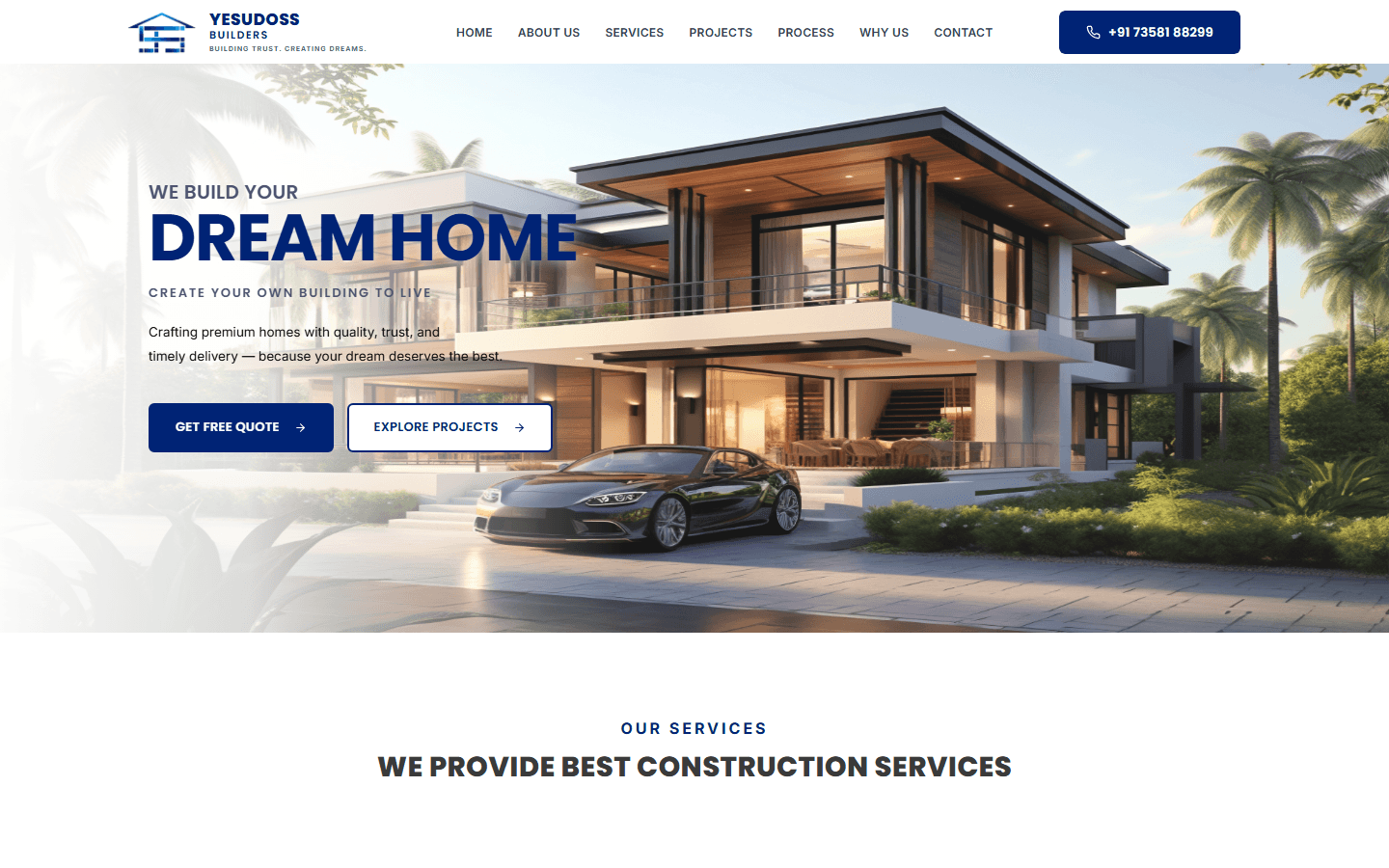
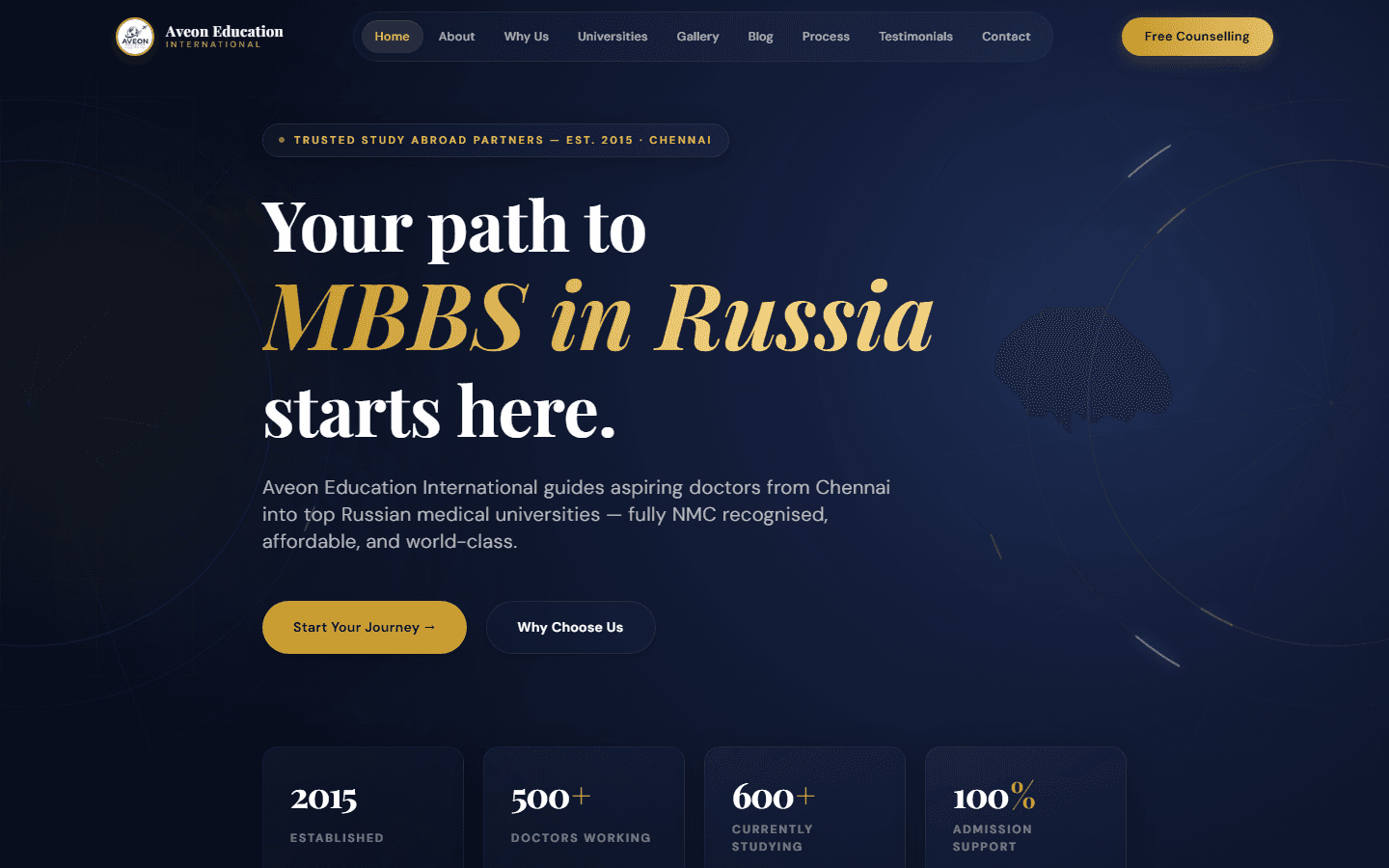
It’s 2026, and you’re asking an agency to build an online identity for your business. Nothing complicated. A single landing page with your business details, services, and an enquiry form.
You get a quote: ₹3,000–₹5,000.
Four hours later, your website is ready.
“Made with AI, bro.”
Now, is that a problem?
Not automatically. A website completed in four hours can still be useful and well built. But there is a question you should ask before paying:
What exactly am I buying — a ready-made template, a customised website, or a design created around my business?
Those are different things. The quotation should make that clear.
The AI era
AI has made building websites much easier. You can describe an idea and get a working starting point faster than before.
I’m not an AI hater. I’m concerned about the gap between what people expect and what they receive.
A business owner might hear “website development” and imagine someone understanding their business, planning the content, designing the experience, and checking that everything works.
Sometimes, that is exactly what happens.
Sometimes, someone enters a prompt, changes the business name, replaces a few images, and sends the invoice.
Both websites might look impressive in a screenshot. But the work behind them — and the value delivered — can be very different.
You might ask, “Then why shouldn’t I just use an AI tool myself?”
You can. But generating a page is only part of getting a website online. You still need to check the content, mobile layout, contact form, hosting, domain setup, and what happens when something breaks.
The value of a developer is in the decisions they make and the responsibility they take for the result.
The real problem with low-cost landing pages
By now, you might be wondering:
“The article says ‘free website’, but this guy is complaining about cheap websites?”
Fair question.
I’m not saying you should avoid free websites, reject a ₹3,000 quote, or spend more just to feel confident.
A low-cost website can be the right choice for a small business. A template can be the right choice too.
The problem starts when a standard template is presented as an exclusive design, or when a website is sold without explaining its limits.
AI-generated websites can share familiar layouts, cards, colours, and wording. Human-built websites can do the same. A similar appearance alone doesn’t prove that something is badly made.
But if you are paying for a unique brand identity, you should know whether the design is actually being developed for your business.
You deserve to know what your money covers.
The blind spot
Imagine you own a juice shop.
You get a website. It looks better than you expected. You pay for it and go home happily.
Later, a customer searches for nearby juice shops and compares yours with three others.
Two websites look similar to yours. Another looks completely different.
Does the unique website automatically win?
No, bro. Customers also care about the menu, prices, reviews, location, cleanliness, and how easily they can place an order.
But imagine your website has generic text, no actual shop photos, an outdated menu, and an enquiry form that doesn’t work.
Another shop clearly shows its fresh juices, prices, opening hours, directions, and a working WhatsApp button.
That shop has given the customer better reasons to choose it.
Your website might look beautiful and still fail to answer the questions that matter.
A business website should help someone understand, trust, and contact your business.
The free website
I never meant that two or three websites shouldn’t share a template.
Platforms such as WordPress and Wix already let businesses build websites using existing designs. Ghost focuses on publishing, newsletters, and memberships. These platforms offer different levels of flexibility, but reusing a design is a normal part of website creation.
A template gives you a starting structure. You add your content, images, colours, and business details.
There is nothing dishonest about that when everyone understands the arrangement.
A template becomes a problem when someone sells it as something it isn’t.
If your requirement is simple — “I need a page where people can see my services and contact me” — a template may be enough.
You don’t necessarily need a custom design to put your phone number, business hours, services, and location online.
How these platforms work
The basic idea is straightforward.
You choose a design, add your content through an editor, preview the result, and publish it.
Behind the scenes, the platform stores your content and uses the selected template to display your website.
The hosting arrangement depends on the platform.
With self-hosted WordPress, you choose a hosting provider and run the WordPress software there. WordPress.com offers a managed WordPress service. Wix combines its builder with hosting. Ghost can be self-hosted or used through its managed service.
This is why “free website software” and “a website that costs nothing to run” are different promises. Hosting, domains, maintenance, and additional features may still have costs.
Why we built Digital Nanban’s free templates
At Digital Nanban, we wanted to offer a simple starting point for small businesses.
You choose a template, fill in your details, preview your page, and sign in when you are ready to publish.
During our launch phase, you can publish a one-page website at an address like:
yourbusiness.digitalnanban.com
The offering includes hosting, SSL, and an enquiry form that emails submissions to you.
You can choose from three designs: Classic Corporate, Minimal, and Luxury Editorial.
Let’s be clear about what that means: other businesses can choose the same template.
You provide your business content. You use the available design and editing options. You get a straightforward way to establish a basic online presence.
That is the offer.
What “free” includes — and what it doesn’t
Our template pages are free to build and publish during launch.
Custom design, copywriting, additional sections, your own domain, and template source code are not included in the current free offering.
Custom-domain support is planned for a later phase. Paid annual hosting is also planned, and we will tell users before anything is charged.
Your content, photos, and business details remain yours. The template design is licensed for use; its source files are not included.
We explain these boundaries because “free” should help you make a decision, not leave you guessing about the conditions.
A template is a starting point.
Shared layouts are normal. Clear expectations should be normal too.
Swipe the table sideways to compare →
| What you get | A free template | Custom website work |
|---|---|---|
| Design | Pre-designed layout you can use as-is. | A design tailored to your business and goals. |
| Content | You add your own business details and images. | We help plan, write and organise content for your customers. |
| Cost | Free during launch. | Paid — scope and price agreed before work begins. |
Then why pay someone to build a website?
Because your requirements may go beyond what a template provides.
You might need someone to write your content, organise your services, build custom sections, connect a booking system, or create a design around your brand.
You might also want someone to handle the technical setup and support you afterwards.
Those are valid reasons to pay.
Even setting up a template can be a useful paid service when the provider explains the work involved. Many business owners would rather pay someone to prepare their content, configure the page, and check everything than do it themselves.
The important thing is knowing whether you are paying for setup, customisation, original design, ongoing support, or a combination of these.
Before you pay, ask these questions
Whether the quote is ₹3,000 or ₹30,000, ask:
- Is this an existing template or a design created for my business?
- What content and customisation are included?
- Are the domain and hosting included? What are the renewal costs?
- Will the website work properly on mobile?
- Where do enquiry-form submissions go?
- Can I edit my content afterwards?
- Who owns the domain, content, and relevant accounts?
- What happens if I stop paying or want to move elsewhere?
- What support will I receive after launch?
You don’t need to understand programming to ask these questions. You need clear answers.
Start with what your business needs
If you need a simple online presence, a free template can be a sensible first step.
If you need more specific features or a design shaped around your business, paid work may be worth it.
AI can be part of either approach. So can templates. Neither tells you enough about quality on its own.
Look at what is delivered, whether it works, and whether the terms are clear.
Spend because you understand the value — not because someone made the work sound expensive or complicated.
If a one-page website is enough for your business right now, explore Digital Nanban’s free templates. Choose a design, add your content, and preview it before signing in.
Your business deserves a place online.
Choose a design. Add your details. Preview before you sign in.
Explore free templatesFree during launch · No signup to preview
Need the page written and designed around your business? See custom landing pages →
Frequently asked questions
Is the free website really free?
Yes, while Digital Nanban is in launch. Building and publishing a template page costs nothing. You get the template design, the editor, hosting on a digitalnanban.com subdomain, SSL, and an enquiry form that emails submissions to you. Paid annual hosting is planned for a later phase, and it will be announced before anything is charged.
Do I need an account to try it?
No. You can pick a template, add your content and preview the page without signing up. You sign in only when you are ready to publish, because the site has to be tied to an account that can edit it later.
Can I use my own domain?
Not during launch. Every free page lives at yourbusiness.digitalnanban.com. Connecting a domain you already own is planned for a later phase, not something the free plan does today.
Can I change the web address later?
No. The subdomain is chosen when you first publish and cannot be changed afterwards. Pick the name you want to keep before you publish. The page content itself can be edited at any time.
Can I edit the page after publishing?
Yes. You open the same editor, make changes and publish again. The live page is replaced with the new version. The address stays the same.
Is a free one-page site good for SEO?
The page is published normally with a title and meta description, so search engines can index it. A single page limits how many different topics you can cover, and no one can promise a ranking. If search traffic is the main goal, you need content and time, not just a page.
What is not included in the free template?
Custom design, copywriting, extra sections, your own domain, an online store, and the template source code. A template is a template: you fill in your own content. If you want the page written and designed around your business, that is paid work.
A digital growth partner for businesses worldwide, founded in Chennai in November 2025. We build websites, apps, and SEO strategy — and structure our pricing so we grow only when our clients grow. Read our story →